
If you want to quit a job you just started, identify whether the issue is a temporary onboarding problem or a role mismatch you cannot reasonably resolve. If you choose to leave, review the notice terms, tell your manager promptly and respectfully, give an accurate last day, and return equipment and accounts through the designated process. You do not have to invent a dramatic reason or claim the job was terrible.
A short tenure can feel awkward because the organization may have already invested time in training you. Being thoughtful does not mean staying indefinitely. This guide uses hypothetical scripts for leaving during the first days or weeks and clarifies what to say if the employer asks about the decision. It does not replace employment or immigration advice for contracts or work authorization.
Decide Whether the Mismatch Is Fixable
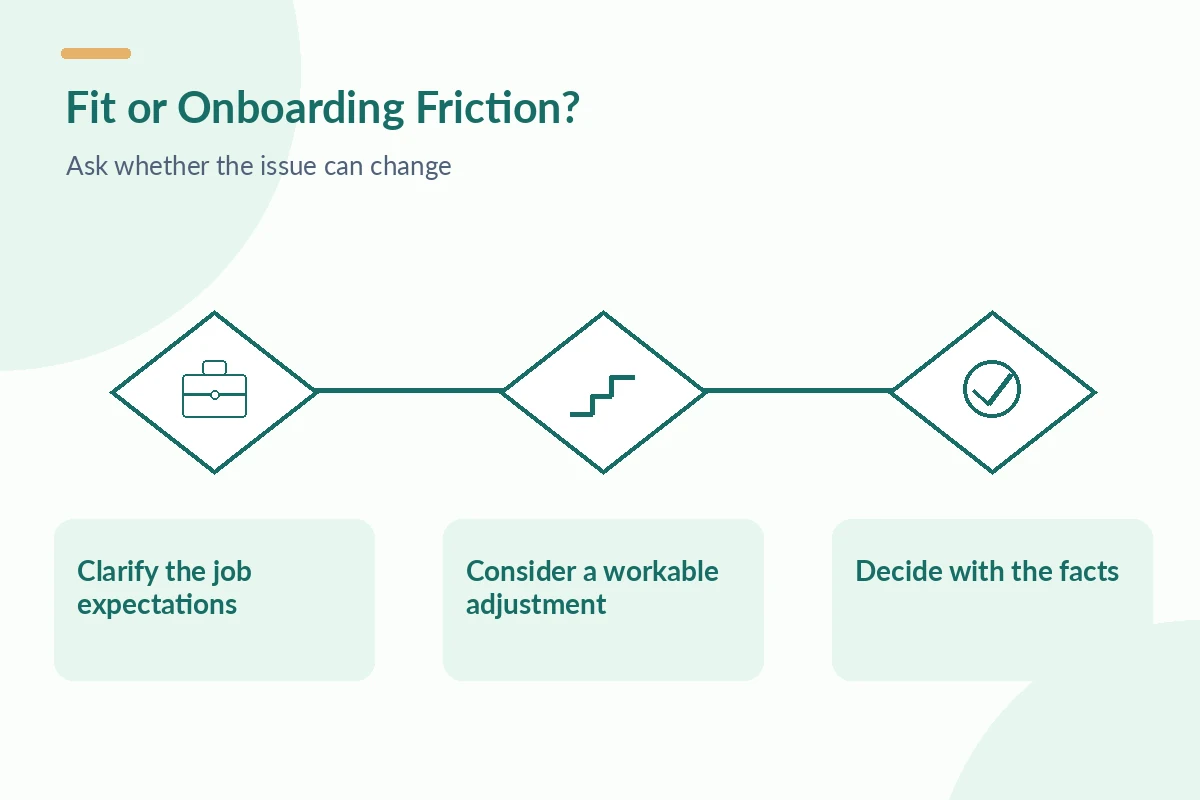
Write down the concrete issue before acting. Is it a shift different from the offer, duties that do not match your understanding, inadequate training, a schedule conflict, a commute you cannot manage, or a safety concern? Some problems can be addressed through a clarification meeting or support request. Others may make the role unsuitable regardless of small adjustments. Avoid turning one confusing first day into a conclusion about every future week.
Yale School of Management’s career resource addresses checking whether a job is the right fit and planning the exit. The useful distinction is not “quitting is always wrong” versus “quit immediately”; it is whether there is a realistic modification you would accept. If the workplace is unsafe, discriminatory, or presents an urgent risk, prioritize safety and get qualified help rather than relying on a routine etiquette script.
Check the Practical Costs Before Giving Notice
Review your signed documents for any probationary provisions, notice expectations, training-repayment terms, or benefit arrangements. Do not assume every provision is enforceable, and do not assume none of them matter. Consider the impact on your next paycheck, transport, health coverage, and any outstanding onboarding reimbursements. If employment is tied to a visa or another regulated status, seek appropriate advice before making an irreversible decision.
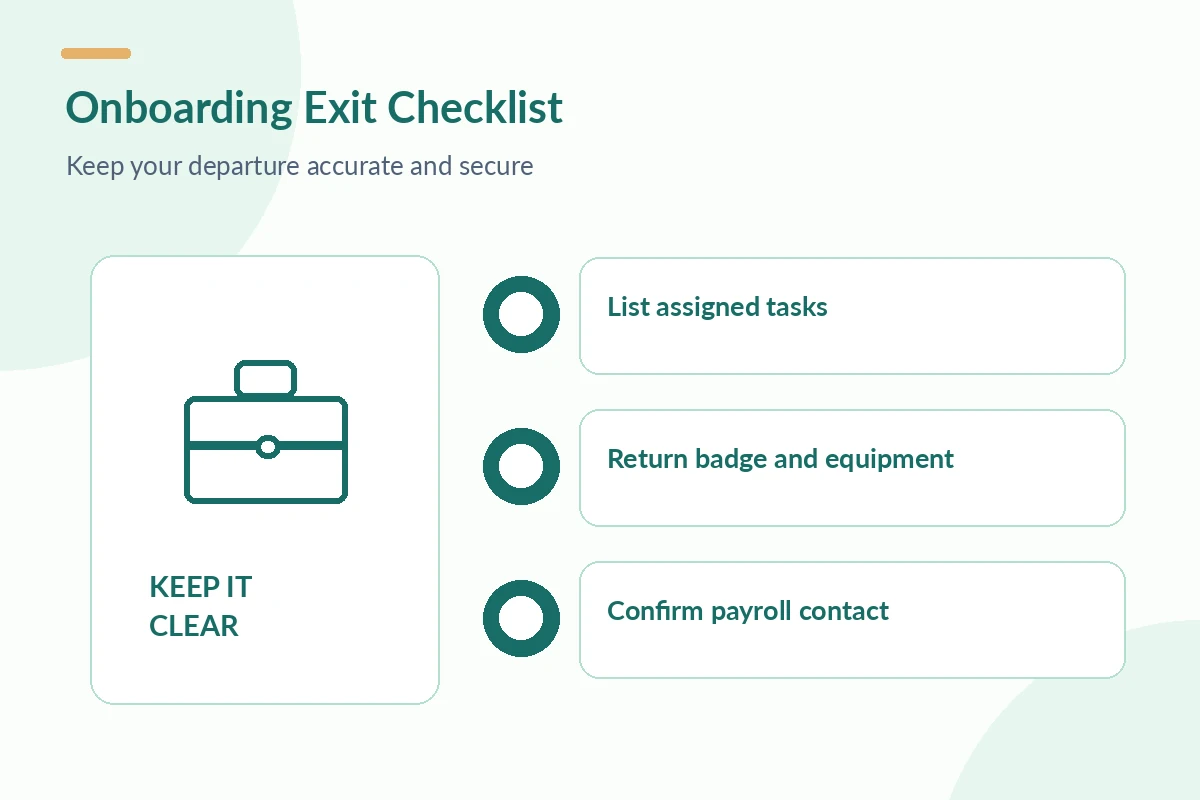
Prepare permitted personal paperwork, your own contact details, and your schedule of assigned shifts. Do not forward employer files to a private account. A short-tenure departure may result in a same-day system lockout, so ask where to return badges and equipment and how to receive pay information. These are sensible questions, not an admission of wrongdoing.
Tell Your Manager the Decision, Not a Long Excuse
Hypothetical script: “Thanks for meeting with me. I’ve decided that this role is not the right fit, and I need to resign. My proposed last day is [date]. I realize this comes early in onboarding, and I’ll help document what I have worked on.” The statement is clear without pretending that a different opportunity or a medical reason exists when it does not.
University of Phoenix guidance recommends a concise resignation and intended last day. If the manager asks whether anything could change your mind, answer truthfully. If you genuinely would stay with a different shift, discuss that possibility before announcing a final decision. If you are leaving for a reason you cannot safely share, you can simply say you have decided to move on.

Write a Brief Early-Tenure Resignation Note
Hypothetical email: “Subject: Resignation — [Name]. Hi [Manager], I am resigning from my position as [Role], with [Full Date] as my proposed final working day. I appreciate the welcome and time the team has invested in onboarding me. I will return the company equipment and share the current status of my assigned work according to the exit process. Thank you, [Name].” Adjust the thanks only if genuine.
Do not claim that you completed training, passed qualifications, or handled customers independently if those things never happened. Avoid making unrealistic promises to finish onboarding or train the next employee. A brief accurate note can be filed and understood by HR even if the working relationship lasted only a few days.
Make a Simple Onboarding Handoff
List what you actually accessed, tasks assigned to you, documentation you edited in approved systems, equipment issued, and meetings scheduled. The list could be very short: “Completed orientation modules assigned through Tuesday; received laptop and badge; no active client accounts.” This hypothetical description avoids presenting a new employee as the owner of projects they never supervised.
Ask whether the employer wants you to finish a shift, return on-site, or stop work. Hand back devices, badges, keys, or uniforms as required. If systems contain passwords, follow IT’s authorized credential-revocation process rather than copying passwords into an email. Confirm return receipts where available.
Prepare a Truthful Explanation for a Later Interview
A future employer may ask about a very short role. Keep the explanation factual and proportionate: “After joining, I found that the shift pattern did not match what I could commit to, so I resigned and clarified my availability before pursuing another role.” This is a hypothetical example, not an invitation to rewrite the facts. If the departure related to a different issue, name that issue accurately and without gossip. For a step-by-step method, see how to quit a job you just started without creating confusion.
Do not invent a promotion, company reorganization, layoff, or completed project. On a resume, omission decisions depend on relevance and honesty; a formal application that requests full employment history may require complete disclosure. Follow the actual application instructions rather than a blanket internet rule.
Separate Respectful Exit From Unresolved Workplace Claims
If a disagreement develops about earned wages or a final paycheck, U.S. Department of Labor guidance notes that state final-pay rules can differ. Ask for a documented explanation and use qualified local resources when needed. If you encounter harassment, retaliation, or unsafe conditions, record facts through appropriate channels and obtain independent advice; a standard resignation letter is not designed to resolve those issues.
You can be courteous without saying the role was wonderful, and firm without giving coworkers personal blame. Decide what you can reasonably complete, give accurate notice using the company process, and preserve a record of submitted paperwork. The central goal is a clear exit, not persuading everyone that the early departure was ideal. If you want the full process, read how to quit a job you just started without inventing an excuse.
How We Research Resignation Guidance
We reviewed publicly accessible career guidance and relevant professional or government sources on October 22, 2026, including Yale SOM career development, University of Phoenix career guidance, SHRM, U.S. Department of Labor. These sources inform the notice and communication principles, not the enforceability of any individual agreement. All scripts and letters are hypothetical.
JobAsk provides general career information, not individualized employment, tax, or legal advice. Check your own contract, policy, benefit plan, and jurisdiction before acting. We have no confirmed affiliate relationship for these links; see our affiliate disclosure.
Related Guides
- How to Resign From a Part-Time Job and Cover Your Remaining Shifts
- First Job Interview Weaknesses: Use School and Volunteer Evidence Honestly
- How to Tell Your Boss You Are Quitting: A Clear Conversation Plan
- How to Tell Your Boss You Are Quitting: What to Say and How to Handle Reactions
- How to Resign When Your Manager Is Away: Notify the Right Person
Not automatically. A genuine mismatch may justify an early departure; communicate clearly and observe any applicable rules or agreements.
You can if that is true. Be brief, specific when appropriate, and avoid invented explanations or attacks on coworkers.
Check the contract and company process; do not assume one universal notice period applies to every role.
State the modules or tasks actually completed, return issued equipment, and follow the documented offboarding process.
Tailor your resume honestly, and follow the exact disclosure requirements of formal applications or background-history forms.