
The final interview thank-you should reference one new point from the latest conversation, not restate the entire application. Thank the interviewer, connect the discussion to one real example, and leave the decision timeline alone.
In a final round, you may meet a senior manager, cross-functional partner, or decision maker who is assessing trade-offs different from earlier screens. The note can acknowledge that new perspective without implying you are the selected candidate. It is still a thank-you, not a closing sales pitch.
What makes this particular message different
Distinguishes final-round appreciation from second-round repetition with a round-by-round evidence ledger, a short example tied to new decision criteria, and a safe next-step boundary. In practice, a successful message uses conversation notes rather than imagined interviewer reactions. Treat every example here as illustrative, not a record of an actual candidate or employer.
The core sequence is simple: thank the interviewer, mention one concrete exchange, connect it to a relevant piece of real experience, and close politely. A final-round email should pass a two-column test: the left column is “heard in this round,” and the right is “my verified contribution.” If either column is blank, simplify rather than guessing.

Separate round-one evidence from final-round evidence
Before writing, make two short lists: what you already told the recruiter or hiring manager in earlier rounds, and what this final conversation clarified. Earlier conversations might cover basic qualifications and availability; the last one may explore handoff responsibilities, competing priorities, or how success is assessed. Choose a new detail only if it truly belongs to the latest conversation.
If everyone discussed the same problem, change the perspective rather than manufacturing a new achievement. For example, an operations candidate who previously described tracking exceptions could now note an interest in how different teams agree on escalation ownership. Do not tell an executive they promised you autonomy when they only described how decisions are reviewed.
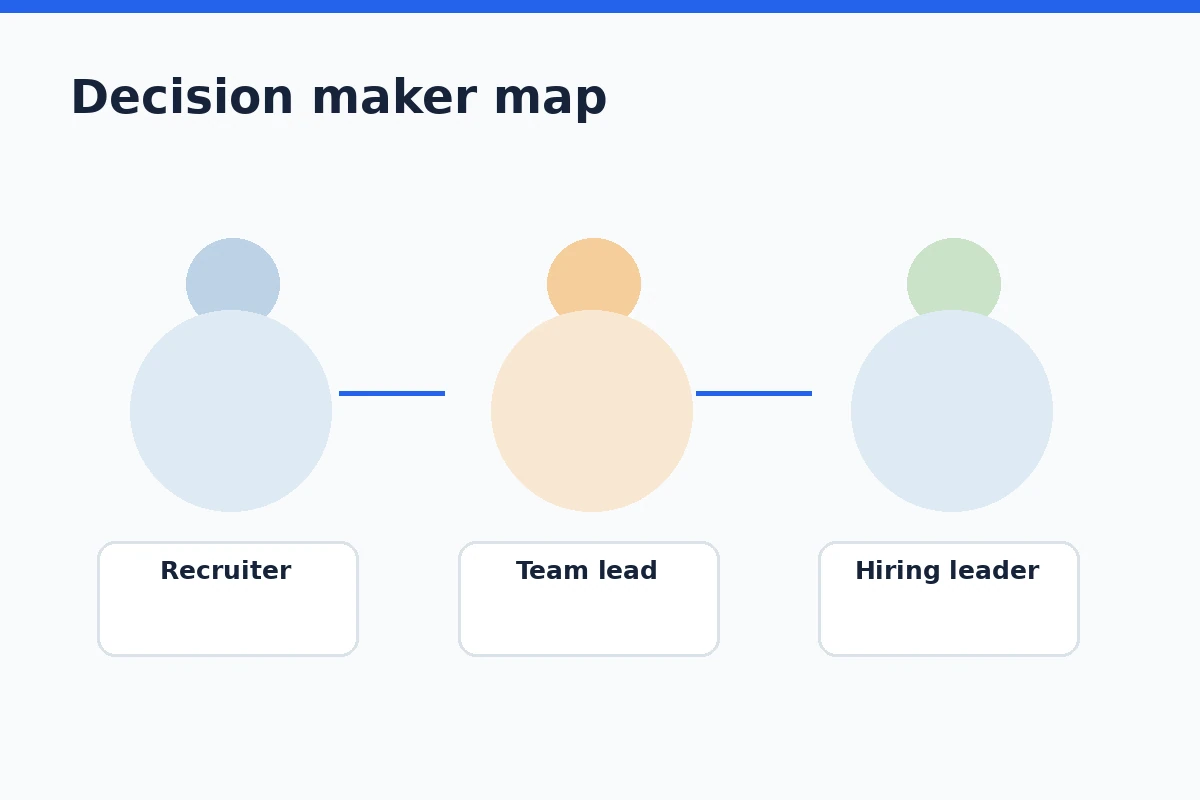
Thank the right decision maker in the right voice
When you met multiple people at the final stage, individualized messages are preferable if you have legitimate addresses. Name one observation unique to each conversation, such as a team lead’s explanation of the weekly workflow or a director’s discussion of risk reviews. If only one coordinator handles correspondence, it is reasonable to ask that person to pass along one concise note.
A final-round note should be confident but not presumptive. “I remain interested in the role” is appropriate. “I look forward to joining the team next Monday” is not, unless an actual accepted offer makes that true. Keep enthusiasm anchored in the responsibilities and constraints the hiring team explained.
Decide what to say about unresolved questions
If the final interviewer asked about a qualification you did not describe well, you can add one concrete, relevant fact in a sentence. Avoid sending a new essay or surprising the employer with a claim that would change your qualifications. If they requested a reference, sample, or document, handle that request separately and use the employer’s approved channel.
Do not insert a new salary demand, a request to skip references, or a deadline you invented. If you face a real deadline from another offer, address it in a separate clear email to the recruitment contact. An appreciative message should not obscure a time-sensitive business decision.
A sample email you can adapt safely
Subject: Thank you — final interview for Operations Coordinator
Illustrative sample, not an actual candidate message: Dear [Interviewer Name],
Thank you for speaking with me about the Operations Coordinator role today. I appreciated learning how your teams document exceptions before assigning next steps. That discussion connects with my experience maintaining handoff notes and checking open items against agreed owners. I remain interested in the opportunity and appreciate your consideration.
Best,
[Your Name]
This fictional example mentions documentation work, not a fabricated improvement percentage or an assumption about receiving an offer. Replace the detail with an actual topic you discussed, and keep the role title accurate.

How to adapt the example for your situation
First, replace the placeholder name and position with verified details from your invitation. Next, write down the one conversation point you can describe without guessing, and pair it with a skill or contribution that exists in your resume or portfolio. Keep the reference proportionate: you do not have to prove every skill in three sentences. Finally, delete anything that sounds like a guarantee, promise of hiring, invented result, or confidential project disclosure.
If several people interviewed you, do not send an identical paragraph to each person when you have legitimate individual contacts. Make the reference to each conversation genuinely different. If only a recruiting coordinator handles correspondence, use that channel. A concise thank-you does not replace a requested assignment, a correction to a formal application, or a later hiring-status check.
The practical send and follow-up checklist
Check the recipient, subject, role title, greeting, one conversation detail, and your signature. Scan for unsent attachment claims such as “attached is my sample” when no sample is attached. Remove personal data that the interviewer does not need. Confirm that every factual claim is yours, not a teammate’s result or an assumption about how the organization works. Write the message in plain readable paragraphs rather than a complicated image or decorative template.
Send promptly if you remain interested, ideally within about one day where practical. Timing advice varies among career centers, so accuracy matters more than an arbitrary minute count. Save the sending record but do not track open pixels or treat silence as rejection. If the organization provided a decision date, let that date guide any later check-in rather than sending repeated thank-you notes.
Common mistakes and a better alternative
An overly generic note says only “Thank you for your time; your company seems great.” A more useful note identifies the real responsibility discussed and why it matters to your work. Another mistake is treating the email as proof that you will be hired. Replace assumptions about outcome with language of interest and gratitude. If you need to correct an important record, use the organization’s approved process; do not bury the correction inside flattery.
Avoid copying email templates word for word, listing claims that the interviewer did not hear, and sending attachments you were not asked to provide. Keep a private summary of your interview notes for future preparation instead of inserting the whole summary into the message. An honest, brief message is useful even if the employer never responds to it.
Choose one detail that actually came up
A strong thank-you note is a record of a real conversation, not a second cover letter. Within a few minutes of leaving the interview, write down one responsibility, project, team practice, or question the interviewer discussed. Verify the role title and the interviewer’s name against the invitation. If you are unsure of a spelling or job title, use a safe greeting rather than guessing.
Choose a detail you understood well enough to discuss accurately. “I appreciated hearing how the team reviews handoffs” is stronger than “Your company has amazing culture” when handoffs were actually discussed. Avoid claiming to know internal results, budgets, student outcomes, or confidential projects merely because they were mentioned in passing.
How We Research This Guide
We checked the following university career-center resources on November 2, 2026 and compared this intent with the supplied JobAsk WordPress topics and local previous batches. These sources describe communication practices, not guarantees of employer response or hiring outcomes. All email examples in this guide are hypothetical and must be personalized. See the affiliate disclosure for site policies.
undergradcareers.nd.edu career guidance: Notre Dame Career Services advises timely, different notes to interviewers and distinguishes thank-you messages from later status checks. Reviewed November 2, 2026.
careercenter.ucdavis.edu career guidance: UC Davis Career Center recommends a brief, personalized thank-you email within 24 hours and a reference to the actual conversation. Reviewed November 2, 2026.
careers.bu.edu career guidance: Boston University explains that thank-you emails can reflect what the applicant learned, and distinguish appreciation from later follow-up. Reviewed November 2, 2026.
More Interview Preparation Guides
Yes, a brief thank-you can be appropriate after each distinct interview, but use a new detail from the final conversation instead of copying the earlier message.
If a timeline was given, respect it. Ask the recruitment contact separately if a necessary date was never discussed; do not turn an appreciation note into a status demand.
Only use a legitimately provided or public professional channel. Do not guess private addresses or route around an established coordinator.
Acknowledge a specific new topic that came up, or keep the note very brief. Repeating the same story in longer form adds little.
No. A thoughtful note communicates professionalism and interest; it does not indicate a hiring decision or guarantee an offer.