
Integrity performance review comments should describe actual choices: correcting a known error, recording uncertainty, protecting work information, or referring a matter to an authorized owner. Do not declare a person “honest,” “dishonest,” or “untrustworthy” as a substitute for evidence. When something goes wrong, first establish what the employee knew, what rule applied, and what actions were taken. An appraisal should not become an unsubstantiated accusation or a guess about personal motives.
University HR guidance on performance feedback recommends observable work examples rather than judgments about attitude. That distinction is especially important for integrity. A manager can praise an employee for reporting an incorrect entry promptly without claiming to know their inner character. Similarly, a manager can describe a documented failure to follow an established approval route without asserting fraud or intentional misconduct that has not been established through the proper process.
Define Integrity as Observable Work Behavior
Begin with the role’s actual obligations. A cashier may need to follow approved reconciliation and reporting procedures; a coordinator may need to label estimates as unverified; a tester may need to document a defect even when it delays a release. These examples illustrate different duties, not a universal legal standard. Check the written policy, training, and authority for the position before deciding which behavior belongs in the review.
Distinguish good faith uncertainty from concealment. Someone who says “I do not know; I will verify” may be following the correct process. Someone who reports an error can be demonstrating accountability even when the original mistake still requires improvement. Do not assume that a delayed handoff means a person hid information. Describe what is documented, request the employee’s account, and avoid making allegations beyond the available evidence.
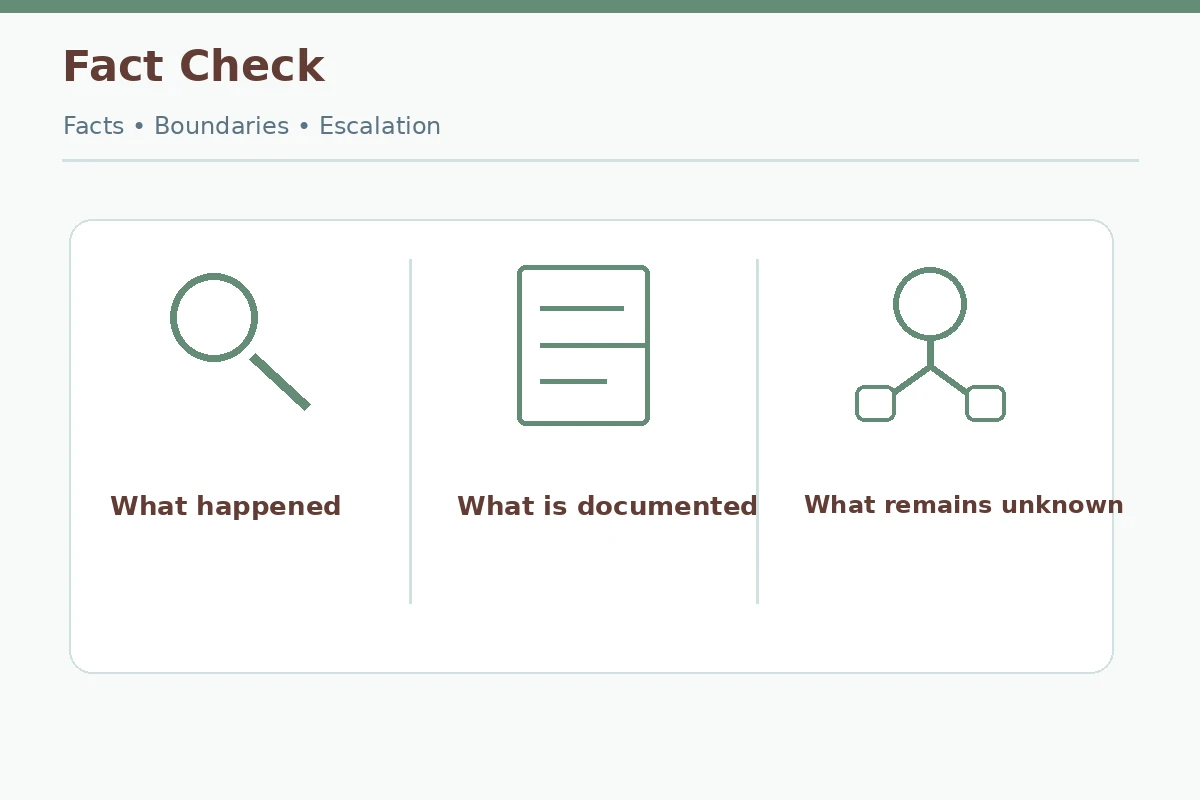
Assess Truthful Reporting and Corrections
Look for concrete steps: a worker flagged an incorrect data label, corrected the original record through an authorized workflow, notified the appropriate reviewer, and identified downstream documents that might need updating. A manager might write: “You identified that a draft figure had been mislabeled, notified the report owner, and documented the correction before the approved version circulated.” This recognizes the act rather than inventing an audit result.
If the issue was not handled promptly, identify the relevant expectation and actual sequence. For example: “When the discrepancy was first noticed, the review owner was not notified through the required channel; please record and route similar issues as the procedure specifies.” Do not confuse an honest mistake with an intentional misrepresentation. Serious allegations should be addressed through the organization’s established fact-finding process, not resolved through an improvised performance-review sentence.

Describe Access Boundaries and Proper Escalation
Integrity can include declining to share restricted information, checking the recipient before sending a file, or asking an authorized colleague to approve a request. The review should name the specific work behavior without including private records. A positive hypothetical comment could note that an employee routed an out-of-scope data request to the appropriate owner and preserved the document’s approved access settings.
Poor feedback rewards a shortcut merely because the result appeared convenient. An employee who refuses to forward credentials or bypass approval should not be criticized for “not helping” when the request was unauthorized. Likewise, avoid claiming that every workplace incident has the same mandatory disclosure route. Follow the employer’s policies and seek qualified HR, security, legal, or compliance guidance when a situation requires it.
| What to examine | Evidence to verify | Review action |
|---|---|---|
| Error noticed | Corrected through approved route | Praise accurate reporting |
| Sensitive file requested | Recipient or access unverified | Confirm permission or refer |
| Exception unreported | Required handoff not completed | Use the defined escalation step |
Use Specific Praise and Careful Correction
Positive hypothetical comment: “When you noticed a duplicate order entry, you verified the record, reported it to the designated reviewer, and documented the approved correction. That kept the handoff trail clear.” It names the observed behavior and avoids unsupported claims about money saved or motives. A second praise example could recognize someone who checked distribution permissions before sending a report to a broader group.
Development hypothetical comment: “On the reviewed shift closeout, the exception was entered in the log but was not routed to the designated lead before handoff. Please use the escalation field and confirm receipt under the current procedure.” Do not imply that the employee deliberately concealed the exception unless an authorized investigation has established that fact. Feedback should focus on a checkable future process and an opportunity to respond.

Build a Review Process That Respects Privacy
Keep sensitive evidence in approved systems and summarize only what is appropriate for an evaluation narrative. Managers should not reproduce confidential reports, employee health information, or customer details in a general appraisal. If the matter is disputed, document what is known and refer to the organization’s process. A performance review is not the proper place to make unsupported findings about criminality, discrimination, or regulated misconduct.
Conclude with a practical plan: refresher training on the reporting route, an agreed verification step before distribution, or a check-in on the next approved handoff. Reinforce that seeking clarification and reporting a concern are useful work behaviors. If the situation involves a formal investigation or discipline, handle that separately through the responsible organizational channels rather than trying to convert generic wording examples into legal conclusions.
Two Worked Examples With Different Lessons
Imagine a fictional records clerk who sees a mismatched invoice field and asks the authorized reviewer to check it. Their manager can recognize the verification step without claiming the clerk detected fraud or personally approved a financial correction. The difference between a careful report and a final finding matters to both accuracy and fairness.
In another hypothetical case, an employee follows a new process but misses an exception notification because the instructions are unclear. A constructive review separates the incomplete handoff from any assumption of bad intent. The team can clarify the notification owner, identify the approved channel, and check the next set of records.
How We Research and Verify These Examples
We reviewed primary, public occupational and university human-resources guidance on 2026-11-14. The uwaterloo.ca resource supports appraisal feedback must be grounded in observable behavior, not assumptions about attitudes. The blink.ucsd.edu resource supports performance observations should be objective, factual, and related to actual work behavior. The hr.utexas.edu resource supports staff appraisals should use specific examples across the period and avoid unrelated protected matters. All example comments and worker situations are hypothetical teaching illustrations. Actual performance ratings, approval limits, privacy standards, and personnel decisions depend on the role and employer policy; this guide is not legal or disciplinary advice. Our affiliate disclosure explains commercial relationships and editorial transparency.
Explore Related Career Guides
Describe verifiable behavior such as accurate reporting, an approved correction, proper handling of sensitive records, or timely escalation.
Yes. Evaluate the initial mistake separately from whether the employee reported it accurately and followed a responsible correction process.
Do not make an unsupported character or misconduct finding. Use established facts and the appropriate organizational process.
Not when the request exceeds the person’s authority. Following access rules and escalating can be the correct behavior.
A specific verification, documentation, notification, or approval step tied to the actual role and policy.